

Recreational Therapy Ideas for Mental Health and Addiction Recovery
If you're looking for practical ways to support mental health or navigate addiction recovery, consider how recreational therapy could help you or your loved ones. This approach offers more than just relaxation—it's a structured pathway to build resilience, social connections, and coping skills. You might be surprised by how activities like art, nature walks, or group sports can make a difference. Ready to explore how these ideas can fit into a recovery journey?
What is Recreational Therapy?
Recreational therapy, also known as therapeutic recreation, employs structured activities to assist individuals coping with various illnesses or disabilities. This approach is particularly relevant in addiction treatment, where it serves as an effective component of recovery programs. Activities are tailored to the individual's specific needs and interests, encompassing areas such as music, creative expression, physical exercise, and nature exploration.
Research indicates that recreational therapy can promote healthier coping strategies, alleviate anxiety, and provide constructive outlets for emotional expression. Participation in these activities has been shown to enhance resilience, improve health outcomes, and facilitate a sense of well-being.
Additionally, recreational therapy contributes to symptom management, emotional regulation, stress relief, and the improvement of social connections, all of which are critical for individuals navigating the complexities of addiction recovery.
In summary, recreational therapy offers a structured, supportive environment that aids individuals in their journey toward sobriety by fostering both physical and emotional health.
Types of Recreational Therapy Activities
Recreational therapy encompasses a variety of structured activities designed to address specific elements of mental health and addiction recovery. Each activity is strategically chosen to promote therapeutic outcomes. Many individuals find that addiction recovery programs in San Jose, CA incorporate these recreational therapy activities as part of a comprehensive treatment approach.
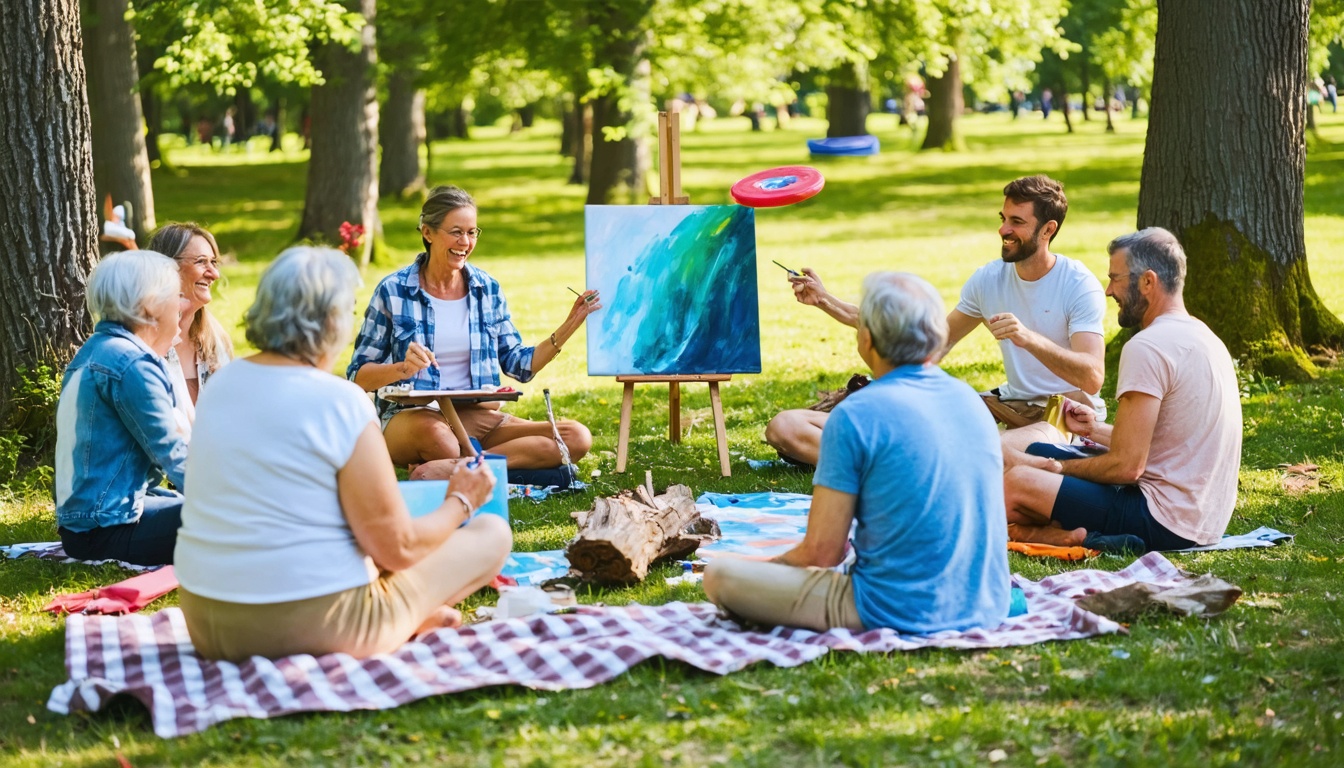
Art Therapy is one structured modality that facilitates creative expression, allowing individuals to channel emotions in a constructive manner. This approach can be particularly beneficial for reducing symptoms of anxiety and issues related to substance abuse. By engaging in creative processes, participants often find a constructive outlet for emotional release.
Music Therapy, which may include playing instruments or participating in group fitness classes, serves as another avenue for promoting physical wellness and social interaction. These activities can aid in emotional regulation and contribute to overall mental health improvement by fostering community connections.
Animal-Assisted Therapy offers unique benefits by incorporating animals into therapeutic practices. This type of therapy has been shown to increase resilience and promote a sense of responsibility among participants, which can be crucial during recovery.
Finally, movement-based activities such as yoga are valuable for fostering physical and mental well-being. These practices not only help individuals achieve a sense of accomplishment but also provide a framework for processing personal experiences in a reflective manner.
Collectively, these recreational therapy activities aim to support individuals navigating mental health challenges and addiction recovery by providing diverse methods for engagement and wellbeing.
Benefits of Recreational Therapy for Recovery
Participating in structured recreational therapy can yield a range of benefits for individuals in recovery from substance abuse. Recreational therapies, which may include music, nature walks, or team sports, have been associated with improvements in physical health, stress management, and overall recovery outcomes.
These therapeutic activities can contribute to reducing feelings of isolation by facilitating social interaction, thereby fostering a sense of belonging among participants. Engaging in group fitness or creative expression often helps individuals develop healthier coping mechanisms and aids in emotional regulation. This, in turn, can lead to a noticeable reduction in symptoms of depression and anxiety.
Research supports the notion that recreational activities serve as effective outlets for stress relief and emotional expression. For instance, activities such as playing musical instruments or participating in board games not only provide enjoyment but also enhance cognitive function during the recovery process.
Overall, the integration of recreational therapy into recovery programs can play a significant role in promoting psychosocial well-being and improving health outcomes.
Recreational Therapy in Drug and Alcohol Treatment
While traditional drug and alcohol treatment primarily emphasizes clinical interventions, the integration of recreational therapy has been found to enhance the overall recovery process. Engaging in structured recreational activities—such as music, nature walks, group fitness, or board games—can aid individuals undergoing addiction treatment in several ways.
Research indicates that these activities may facilitate stress management, alleviate symptoms of depression and anxiety, and allow for the rediscovery of enjoyment in life.
Such therapeutic modalities also encourage social interaction, providing necessary emotional outlets that can help mitigate feelings of isolation often experienced by those in recovery.
Furthermore, empirical studies suggest that including recreational therapy within treatment programs can lead to improved physical health outcomes and foster psychological resilience.
By promoting healthier coping strategies and fostering a sense of community, recreational therapy can play an essential role in supporting individuals on their path to recovery.
Personalized Approaches in Recreational Therapy
Tailoring therapeutic activities to align with individual interests and strengths can enhance the effectiveness of recovery programs in recreational therapy. Personalized approaches in this field allow participants to engage in a variety of activities including music, art, nature walks, and group fitness. These activities are designed to address specific issues such as addiction, trauma, and substance use, taking into account the unique needs of each individual.
Certified therapists conduct assessments within rehabilitation centers to identify participants' abilities and preferences. This ensures that the chosen activities are suited to promote emotional regulation, reduce stress, and develop healthier coping mechanisms.
Engaging in creative expression, physical exercise, and team sports has been shown to facilitate social interaction, promote physical health, and create a sense of accomplishment.
Research supports the notion that involvement in recreational therapies can contribute positively to mental health outcomes. By providing avenues for joy, resilience building, and stress management, these therapeutic approaches can play a significant role in the overall treatment and recovery process.
Conclusion
Recreational therapy offers practical tools to support your mental health and addiction recovery. By engaging in structured activities, you'll develop coping skills, strengthen connections, and build motivation for lasting change. Whether you're participating in art, group sports, or mindfulness sessions, these activities address emotional, social, and practical needs in your recovery journey. Embrace recreational therapy to enrich your well-being, connect with others, and discover new strategies for a healthier, more balanced life.
 These sites are not maintained by Great Lakes Council.